
Love Marriage vs Arranged Marriage: Does Biodata Still Play a Role?
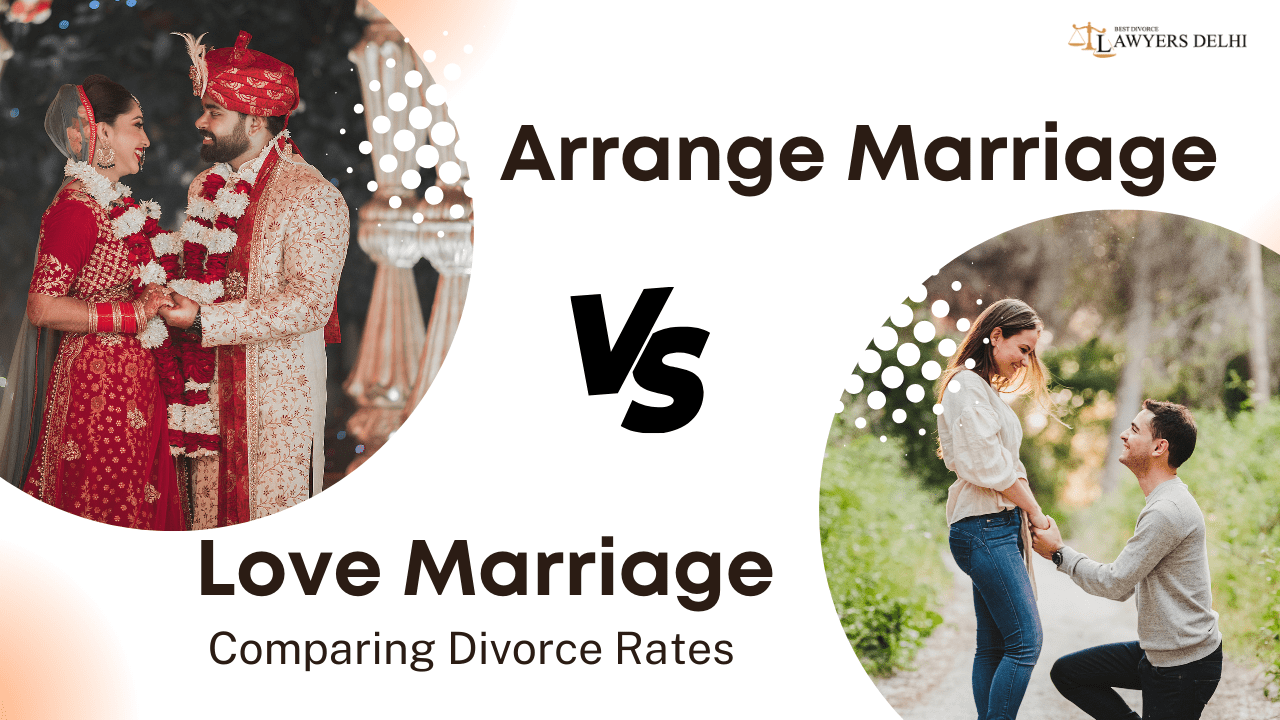
Marriage in India is not just about two individuals—it’s about families, traditions, and social values. Over the years, India has witnessed two parallel marriage trends: arranged marriages, rooted in tradition, and love marriages, shaped by modern values.
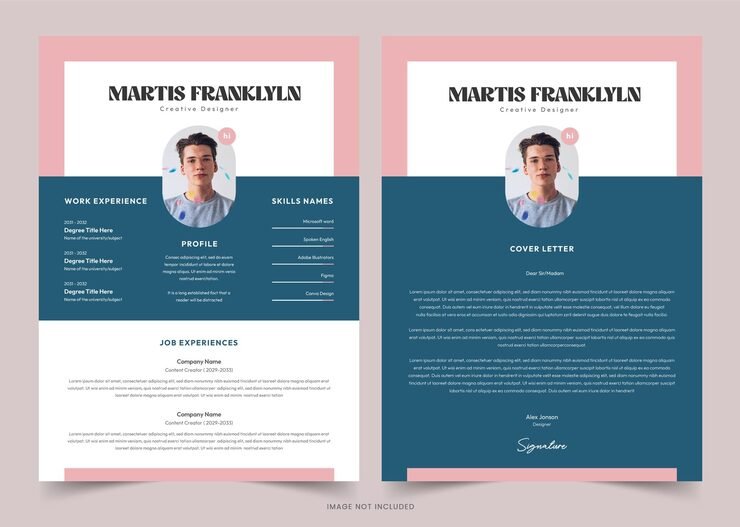
One common factor in arranged marriages is the marriage biodata—a structured document that showcases personal, family, educational, and professional details to potential families.
But here’s the big question 👉 In today’s time, does marriage biodata still play a role in both love and arranged marriages? Let’s explore.
Personal details (name, age, height, education, profession)
Family background
Lifestyle preferences
Horoscope (optional)
Photographs
Traditionally, it acts like a “resume for marriage,” especially in arranged setups.
Love Marriage and the Role of Biodata
In love marriages, couples usually meet through college, work, friends, or social platforms. Since they already know each other, a biodata may not seem necessary.
However, biodata still plays a role in love marriages:
- For Formal Introduction to Families – Even if the couple knows each other, their families may ask for biodata to understand background, education, and family details.
- For Wedding Records – Sometimes biodata is shared during engagement discussions as part of tradition.
- For Community Expectations – In traditional families, biodata helps maintain cultural customs, even in love marriages.
In arranged marriages, biodata is often the first step of matchmaking. Families exchange biodata before meetings, using it to shortlist suitable matches.
Key reasons it’s important:
- Acts as a formal introduction.
- Helps families compare education, profession, and community backgrounds.
- Includes horoscope details for those who follow astrology.
- Saves time by filtering compatible matches before meetings.
Without a biodata, arranged matchmaking becomes difficult.
| Aspect | Love Marriage | Arranged Marriage |
|---|---|---|
| Need for Biodata | Optional, used mainly for family introductions | Essential, first step in matchmaking |
| Horoscope | Rarely included unless families demand | Commonly included |
| Photos | Informal or engagement photos shared | Formal passport-size photos included |
| Details | Minimal, just for formality | Detailed, covering family, caste, community, education |
- Even in love marriages, families often exchange biodata for respect and tradition.
- In arranged marriages, biodatas are now more stylish—designed with modern templates rather than plain word documents.
- Digital platforms allow couples to create and share custom biodata PDFs easily.
So yes—biodata still plays a role, but its importance depends on the type of marriage.
- In arranged marriages, biodata remains indispensable.
- In love marriages, it’s more of a formality to introduce families and maintain tradition.
Whether you’re choosing love or arranged marriage, a well-prepared biodata helps bridge the gap between modern choices and traditional expectations.
Not strictly. Couples already know each other, but families may still ask for biodata to understand background and maintain tradition.
Because it acts as the first step in matchmaking, allowing families to compare compatibility, background, and cultural preferences before meeting in person.
Rarely. Horoscope matching is usually skipped in love marriages unless the families insist. In arranged marriages, astrology is much more common.
- Love marriage biodata: shorter, more modern, often just for family formality.
- Arranged marriage biodata: detailed, traditional, often with astrology and multiple photos.
Yes. Many modern templates are flexible—you can include detailed sections for arranged setups, while keeping it simple for love marriages.