
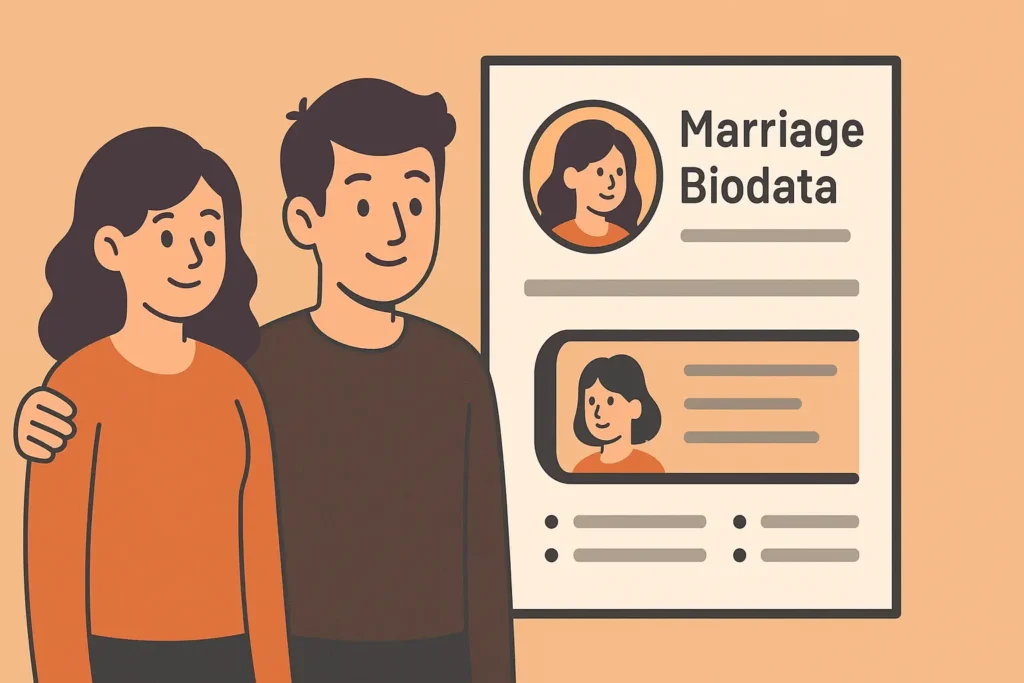
A marriage biodata is not just a piece of paper; it is the first impression you and your family make during the matchmaking process.
Much like a resume in the professional world, a biodata introduces your personality, background, and lifestyle to potential families. A well-prepared biodata can bring quick and suitable proposals, while a poorly written or cluttered one can delay or even block opportunities.
Many people unknowingly make errors in their biodata that reduce its effectiveness.
Below are the most common mistakes to avoid in your marriage biodata, along with practical tips to ensure your profile stands out.
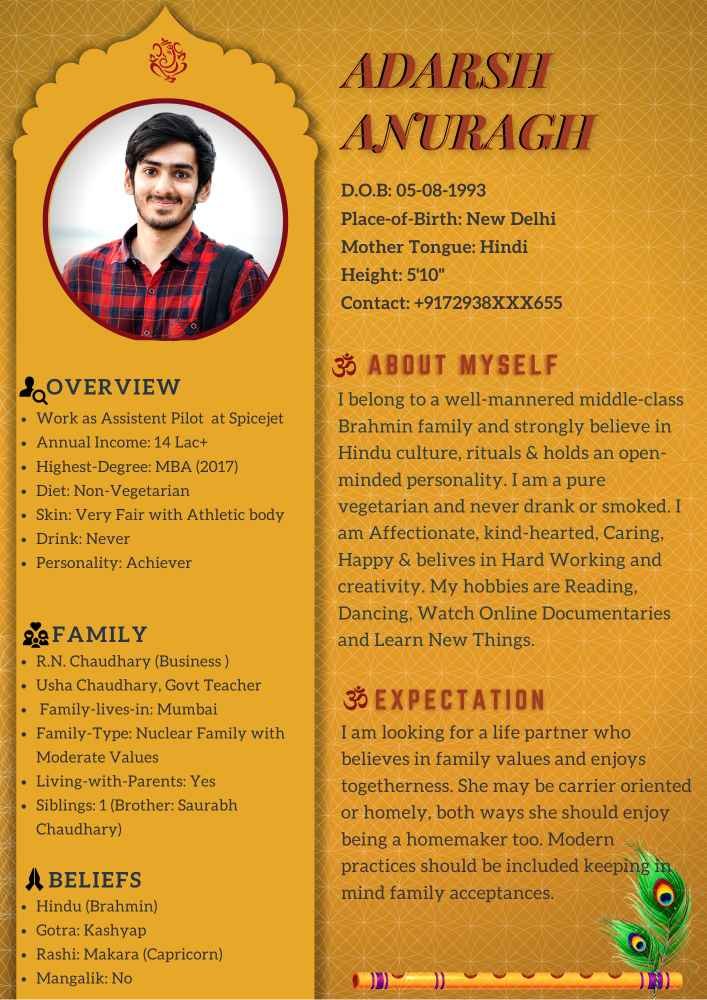
One of the most frequent mistakes is making the biodata too lengthy.
- Some people include detailed family trees, distant relatives’ names, or irrelevant achievements.
- Others describe their life stories in paragraphs, which overwhelms readers.
Why it’s a problem
How to fix it
- Keep it short and focused.
- Include only your personal details, education, profession, immediate family, and partner expectations.
Using Casual or Inappropriate Photos
Your photograph is often the first thing people notice. Unfortunately, many individuals use:
- Selfies taken at random places
- Old or outdated pictures
- Group photos with friends or family
- Heavily edited or filtered images
Why it’s a problem:
- It looks unprofessional and insincere.
- Families may doubt the seriousness of the proposal.
How to fix it:
- Attach a recent, high-quality photo.
- Prefer a formal or semi-formal look with a neutral background.
- Smile naturally; avoid over-editing.
Hiding or Exaggerating Facts
A very serious mistake is being dishonest in the biodata. People often:
- Hide previous marriages or separations
- Inflate income figures
- Overstate professional positions
- Avoid mentioning health conditions
Why it’s a problem:
- Marriage is built on trust; dishonesty breaks it.
- Hidden details often come out later and create conflicts.
How to fix it:
- Be transparent about important facts.
- If divorced, mention it respectfully.
- State your education and profession honestly.
Skipping Partner Preferences
Some biodatas do not include a section about partner expectations.
Why it’s a problem:
- Families may send proposals that do not match your values or goals.
- It wastes time for both sides.
How to fix it:
Write a short section like:
- Age preference
- Education or profession preference
- Location preference
- Lifestyle values (e.g., vegetarian, non-smoker)
Poor Formatting and Presentation
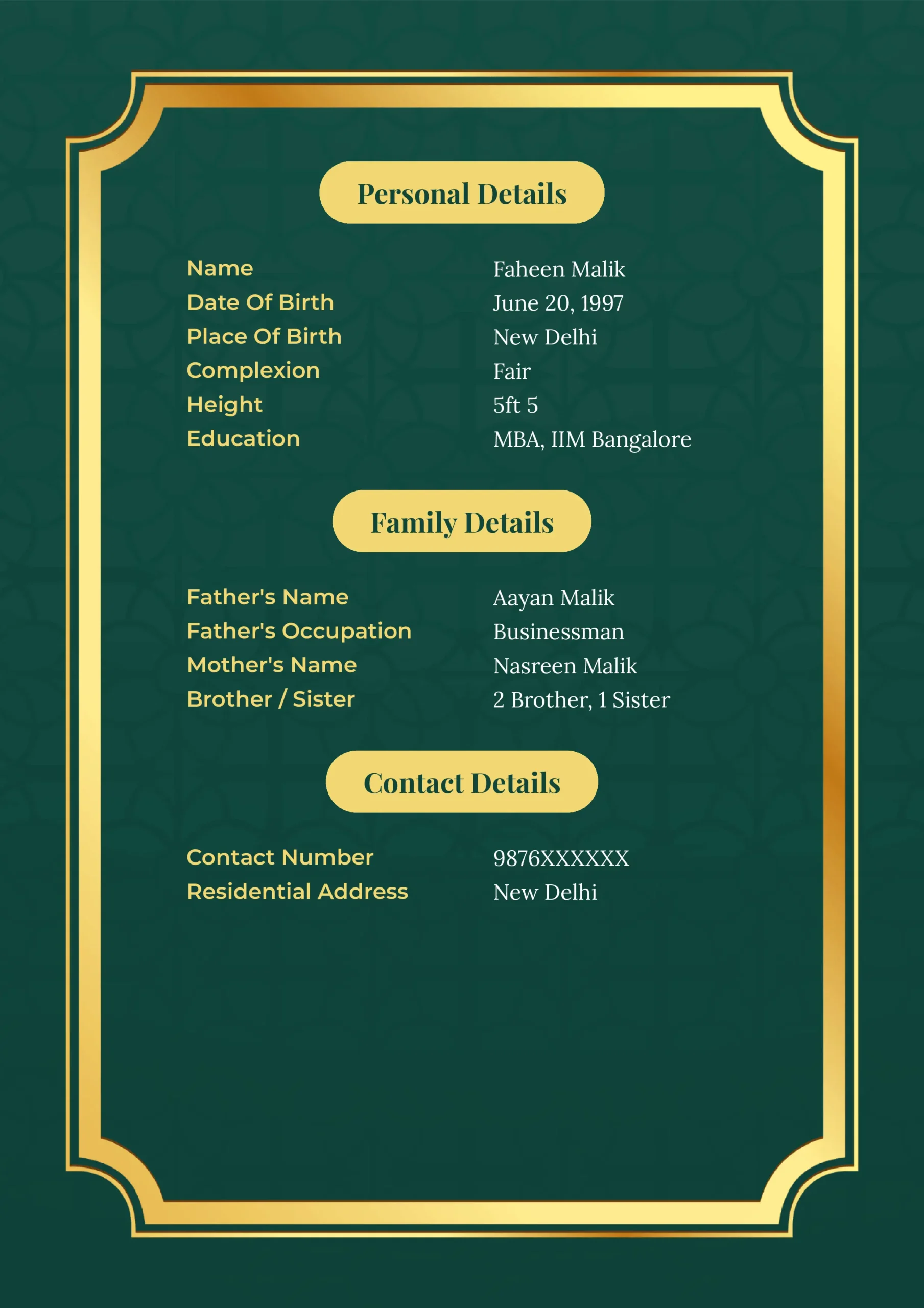
Even if the content is right, messy formatting spoils the impression.
- Some biodatas are just plain text without headings.
- Others use flashy fonts or too many colors.
- Paragraphs without structure make it difficult to scan quickly.
Why it’s a problem:
- Untidy presentation looks careless.
- Readers may skip important details.
How to fix it:
- Use clear sections with headings (Personal Details, Education, Profession, Family, Preferences).
- Stick to simple fonts like Arial or Times New Roman.
- Keep alignment neat and avoid clutter.
Sharing Too Much Sensitive Information
In an attempt to look complete, many biodatas share private details such as:
- Full home address
- Salary slips
- ID proof numbers
Why it’s a problem:
- Privacy and safety risks
- Misuse of personal details is possible
How to fix it:
- Only include a phone number and email for contact.
- Share other details later, once trust is established.
Forgetting to Update Regularly
People often prepare a biodata once and then leave it unchanged for years.
Why it’s a problem:
- Outdated job details or old photos create confusion.
- Families may find it careless or misleading.
How to fix it:
- Update biodata whenever there is a change in career, education, or residence.
- Refresh the photo every year or two.
Ignoring Grammar and Spelling
A biodata full of grammar mistakes or spelling errors looks unprofessional.
Why it’s a problem:
- Families may think you lack seriousness.
- Errors reduce clarity and can create misunderstandings.
How to fix it:
- Proofread before sharing.
- Keep sentences short and clear.
- Ask a friend or family member to review it once.
Not Keeping Both Digital and Printed Copies
Another mistake is preparing the biodata only in one format.
Why it’s a problem:
- Printed copies cannot be shared instantly online.
- Digital versions may not look professional when printed.
How to fix it:
- Keep a digital copy (Word or PDF) for sharing quickly.
- Maintain a neat printed copy for in-person meetings.
Overlooking Lifestyle and Personality Details
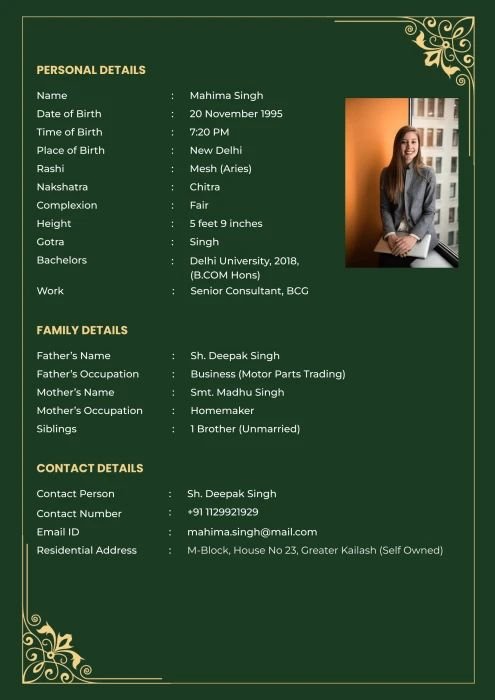
Some biodatas list only the basic information but skip hobbies, interests, or lifestyle details.
Why it’s a problem:
- It makes the biodata look dull and incomplete.
- Families want to know your personality beyond education and career.
How to fix it:
- Add 2–3 hobbies like reading, traveling, music, or fitness.
- Mention lifestyle preferences such as vegetarian, non-smoker, or fitness-oriented.
Final Thoughts
A marriage biodata is much more than a list of facts—it is a reflection of your personality, values, and sincerity in the marriage journey. Avoiding common mistakes like overloading information, using casual photos, hiding facts, or skipping preferences will make your biodata more effective and trustworthy.
Keep it short, well-presented, and updated. Pay attention to clarity, language, and honesty. Remember, the goal is not to impress with excessive details but to present yourself in a way that builds confidence and trust.
A clear, simple, and mistake-free marriage biodata can save time, attract the right proposals, and become the foundation of a lifelong partnership.