

In India, marriage is not just a personal decision—it’s a family affair. While modern couples are taking more control of their choices, in many families, parents still play a central role in matchmaking.
One of the key tools parents rely on during this process is the marriage biodata. Often described as a “resume for marriage,” a biodata provides essential information about a potential bride or groom, helping parents shortlist and evaluate matches.
But how exactly do parents use marriage biodata in matchmaking? Let’s explore.
For parents, arranging a marriage is about more than finding a life partner for their child—it’s about ensuring compatibility between two families. A biodata helps them:
HUnderstand the Candidate’s Background
Education, profession, and lifestyle give an idea of suitability.
Evaluate Family Compatibility
Details about parents, siblings, and extended relatives are crucial for many families.
Check Cultural and Community Fit
Caste, religion, and regional details help parents filter matches based on traditions.
Include Astrology (if required)
Horoscope details in biodata allow for Kundali/Jathakam matching before meetings.
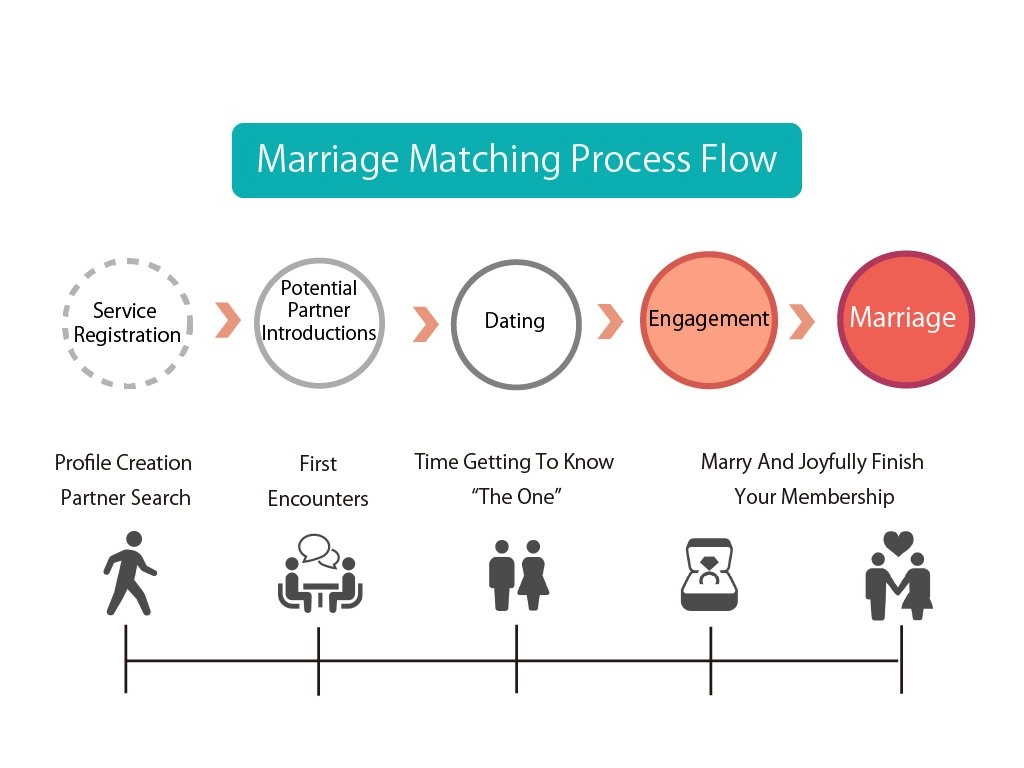
Shortlisting Matches
Parents often receive multiple biodatas from relatives, family networks, or matrimonial platforms. They use biodata to quickly filter candidates based on preferences such as age, education, or community.
Comparing Profiles
Just like reviewing resumes, parents compare multiple biodatas side by side to see which one aligns better with their child’s expectations and family traditions.
Sharing with Relatives
In many cases, parents share the biodata with trusted relatives or family friends to get opinions before moving forward.
Horoscope Matching
If astrology is important to the family, the biodata provides the required details for Kundali or horoscope matching before any formal meeting is arranged.
Arranging Initial Meetings
After shortlisting, parents exchange biodatas with other families. This formal exchange often serves as the first introduction between families before they decide to meet in person.
Traditional vs Modern Approach
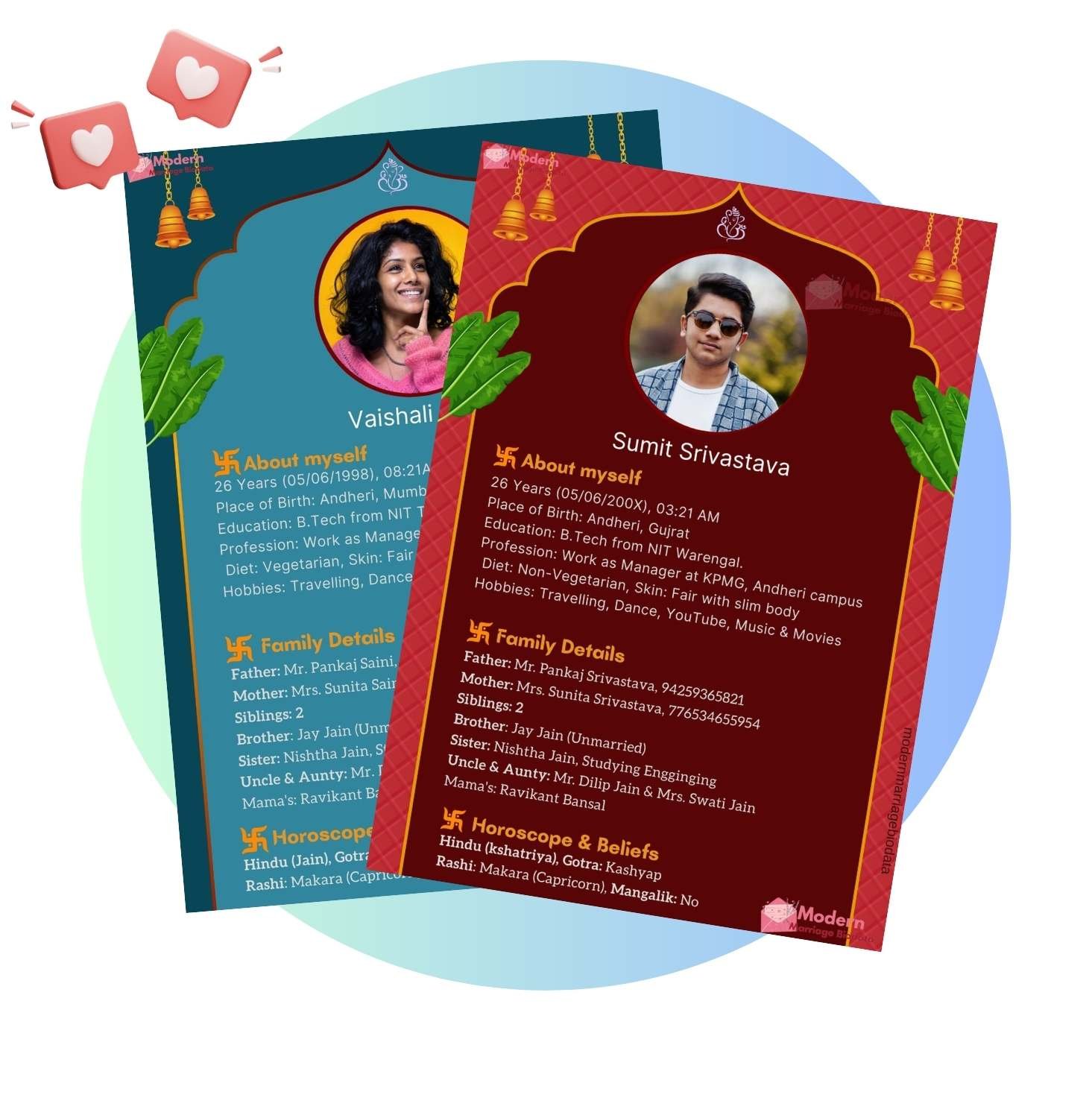
- Traditional Parents – Rely heavily on biodata, family background, and astrology before approving a match.
- Modern Parents – Use biodata as a starting point but also consider personality, values, and compatibility between the couple.
- Blended Approach – Many parents today combine both—using biodata for initial filtering while encouraging their children to interact and decide.
Conclusion
For parents, marriage biodata is not just a document—it’s a decision-making tool that helps them ensure cultural, family, and personal compatibility.
Even as times change and couples take more control of their choices, biodata continues to be an important part of matchmaking, bridging tradition and modernity.
Because it provides a structured summary of a person’s background, education, family, and lifestyle—making it easier to evaluate compatibility before arranging meetings.
Not always. Some families insist on horoscope details for Kundali/Jathakam matching, while others skip astrology and focus more on personality and compatibility.
Parents look at age, education, profession, family background, community, and lifestyle preferences to decide whether a match is suitable.
For parents, biodata is a primary tool for decision-making. For couples, it is often just a formality since real compatibility is discovered through interaction.
Yes, but with flexibility. Modern parents may use biodata as a starting point, while also considering the couple’s opinions, personality match, and shared values.